
In heavy industry fields such as mining, cement, power generation, metallurgy and building materials, the stable, efficient and low-consumption operation of core equipment including ball mills, vertical mills, crushers and dryers is a core guarantee for enterprises to improve quality and efficiency. As key wear-resistant components of large-scale industrial equipment, liner plates serve to buffer material impact, resist equipment wear and protect the equipment shell structure. Their material performance and adaptability directly determine the service life, operation and maintenance costs, and overall production efficiency of industrial equipment. With the popularization of large-scale, continuous and high-intensity production modes in the heavy industry, operating conditions have become increasingly complex and harsh. High-performance, finely classified and customized wear-resistant liner plates have become a core demand for heavy equipment upgrading and enterprise cost reduction and efficiency improvement.
Traditional general liner plates feature single material and poor adaptability. Under complex working conditions including high wear, strong impact and wet grinding, they are prone to excessive wear, spalling, deformation and fracture failure. Frequent maintenance and replacement not only disrupt production schedules, but also greatly increase equipment shutdown costs, manual maintenance expenses and parts procurement costs, restricting the large-scale and intelligent upgrading of heavy industry enterprises. To meet the differentiated demands of different equipment and working conditions, the industry has accelerated the refined iteration of materials and professional performance upgrading for wear-resistant liner plates. Relying on a diversified alloy material system and mature casting technology, it realizes precise adaptation to various application scenarios and comprehensively improves equipment operation stability and service life.
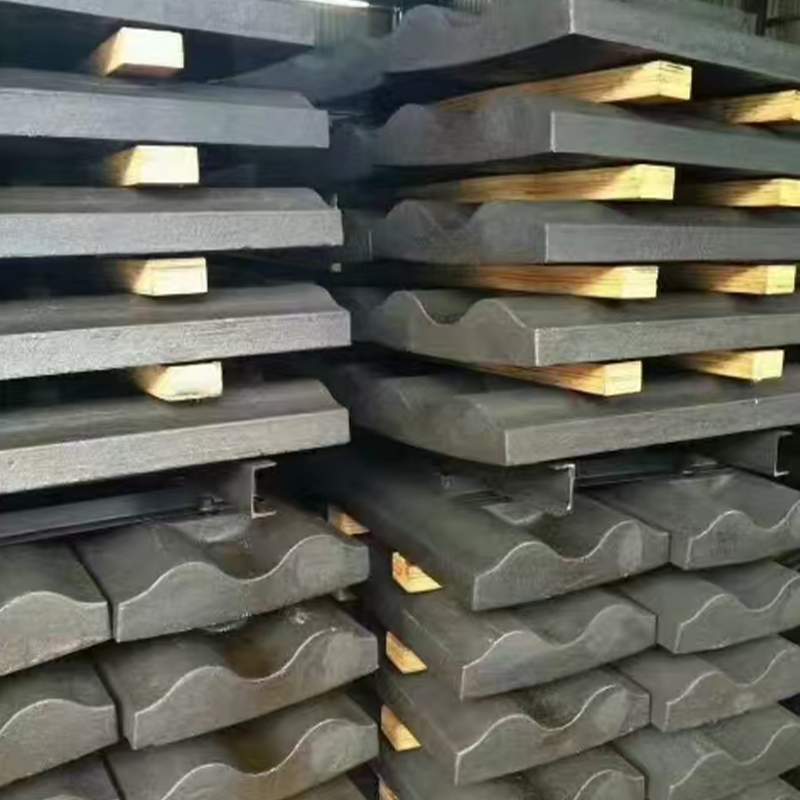
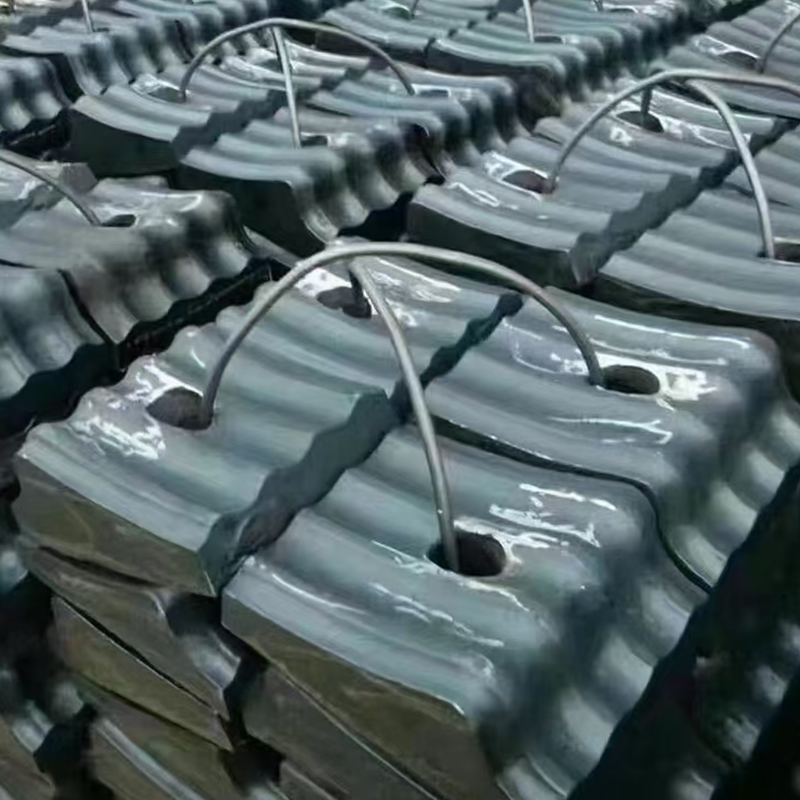
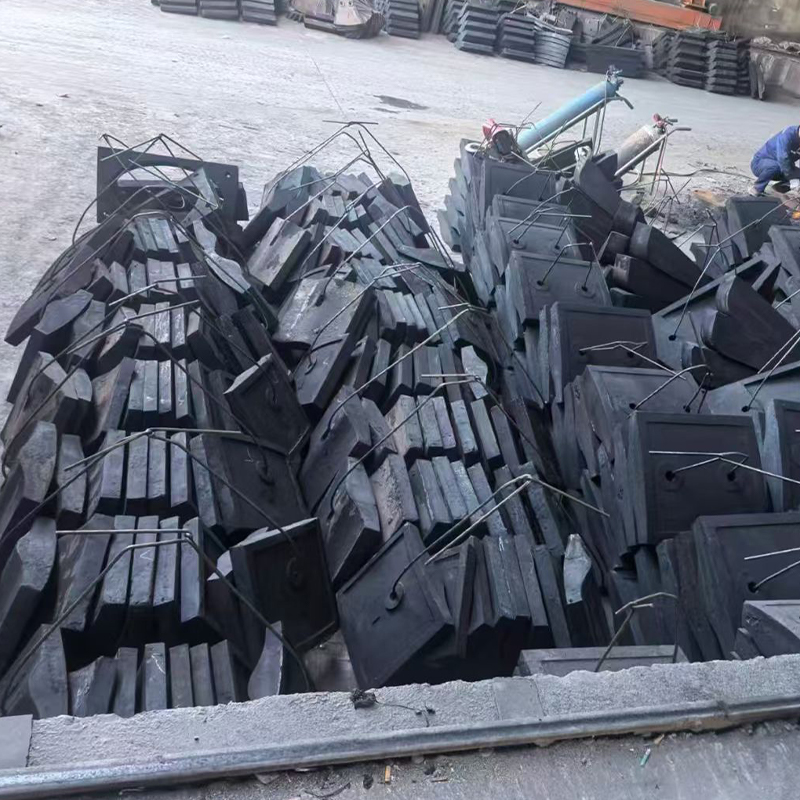
At present, mainstream high-performance liner plates in the industry have formed a complete material system that can accurately adapt to various harsh industrial scenarios. Among them, liner plates made of high-toughness high-chromium cast iron, standard high-chromium cast iron and high-chromium cast steel boast high hardness, excellent wear resistance and strong spalling resistance. They effectively solve the problems of high-intensity wear working conditions, and are widely used in high-wear parts such as ball mill shell liners, end liners and vertical mill liners. These plates can effectively reduce the equipment wear rate, greatly extend the replacement cycle of accessories, reduce shutdown frequency, and provide stable support for high-intensity continuous grinding operations.
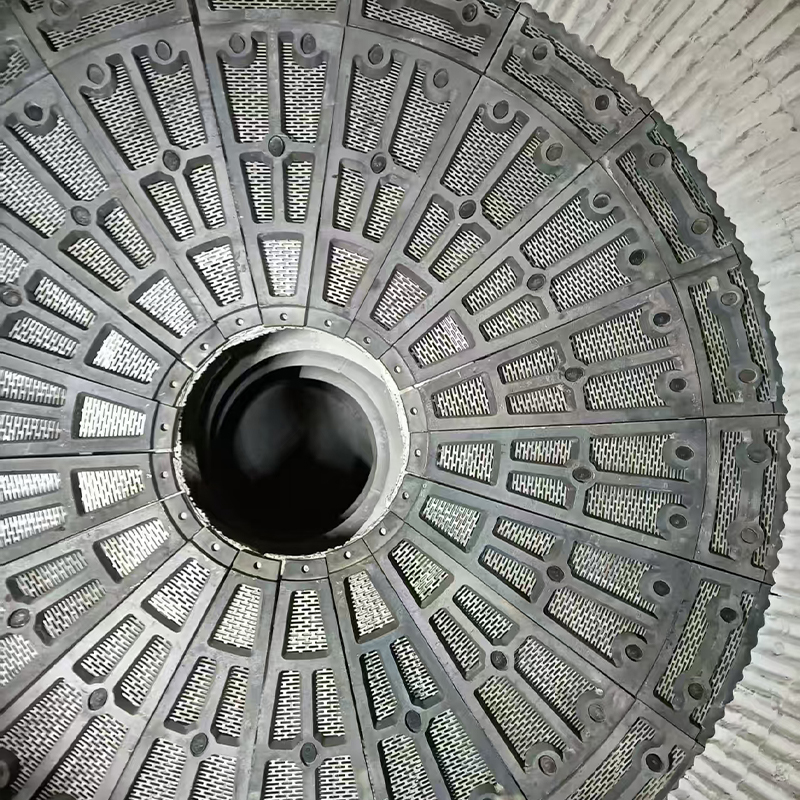
For comprehensive working conditions requiring both toughness and wear resistance, liner plates made of multi-alloy steel, medium-chromium alloy steel and low-alloy steel achieve a balanced performance breakthrough. They perfectly balance high wear resistance and strong impact resistance with excellent toughness, which can effectively resist continuous material impact and friction loss. Suitable for core components such as large ball mill partitions, grid plates and various mine mill liners, these liner plates are not easy to deform or damage under complex composite working conditions. They ensure both equipment operation stability and accessory service life, adapting to conventional heavy industry production scenarios in mining, building materials and other fields.
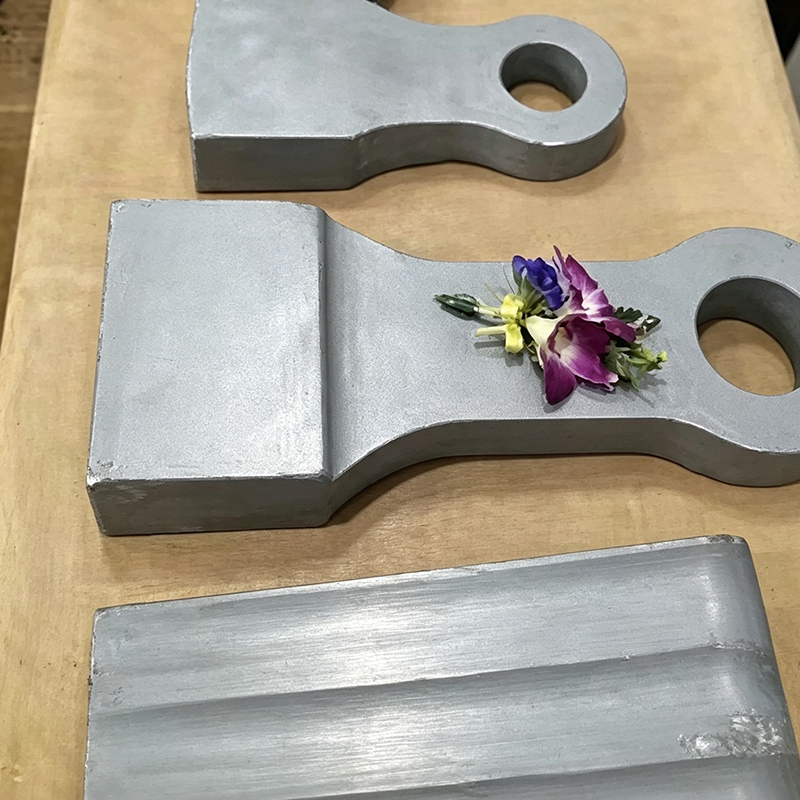
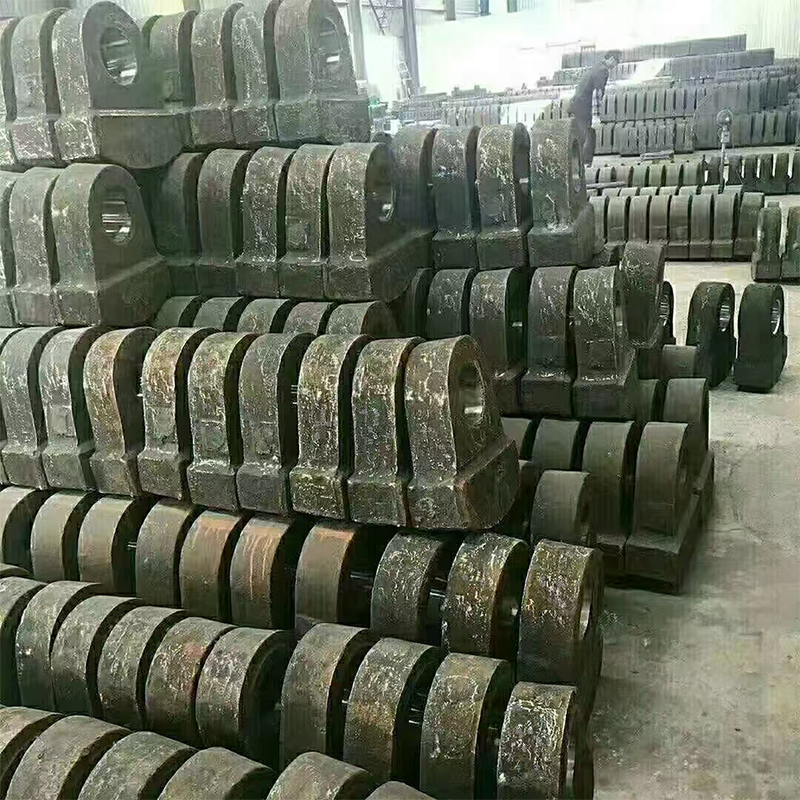
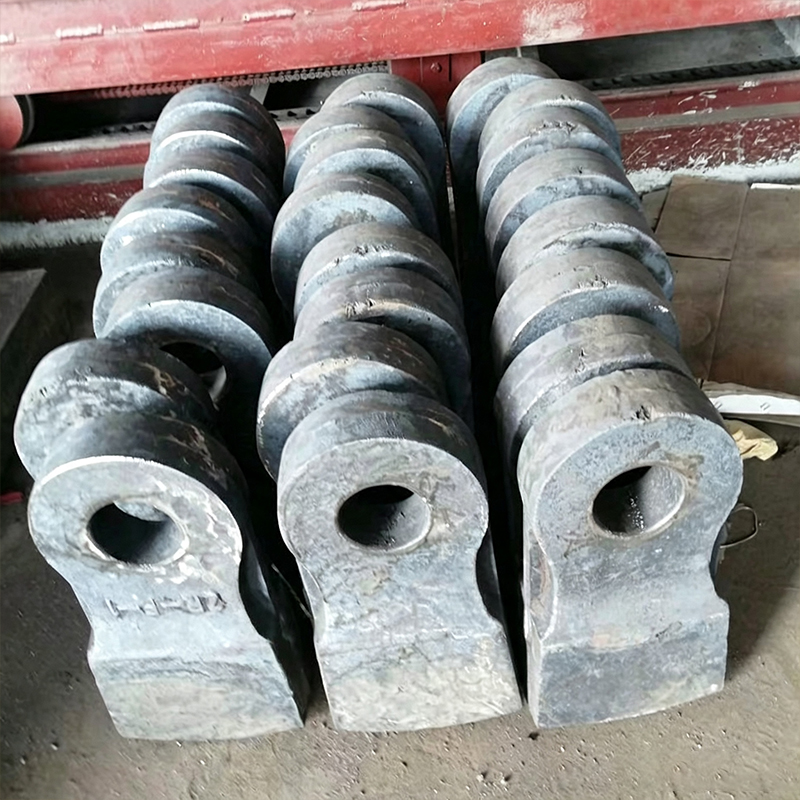
For extreme working conditions of wet grinding and high-strength impact, high-manganese steel (Mn13) and alloy high-manganese steel liner plates show unique performance advantages. This material features outstanding work hardening capability; its surface hardness increases rapidly under continuous strong impact, continuously enhancing impact and wear resistance to withstand long-term high-intensity impact loads with high stability. It is widely applied to liners and grid plates of wet mining mills, as well as key wear-resistant parts of crushers such as jaw plates, hammer plates and impact plates, perfectly adapting to humid, high-impact and high-load extreme operating environments. Meanwhile, low-carbon high-alloy steel liner plates combine high strength, excellent wear resistance and good weldability, which are specially suitable for wear parts of large dryers and key vulnerable areas of heavy equipment, filling the adaptation gap of accessories for special working conditions.
Process quality is the core support for the high performance of liner plates. Premium manufacturers in the industry adopt advanced and mature precision casting technology and professional heat treatment technology, equipped with a strict full-range quality inspection system. Strict quality control is implemented throughout the whole process from raw material selection, precision casting and performance strengthening to finished product testing. This ensures that each liner plate delivers excellent wear resistance, superior impact resistance, high dimensional accuracy and long service life, eliminating common industry defects such as dimensional deviation, unstable performance and easy damage.
In terms of product services, enterprises have built a full-specification product system covering liner accessories for various mills, crushers and dryers. Meanwhile, customized design and manufacturing services are provided according to customers’ specific equipment models, material characteristics and actual operating conditions to accurately meet differentiated production needs. With stable and reliable product performance and customized solutions, the company builds an efficient, energy-saving and low-cost wear-resistant protection system for customers in mining, cement, power, metallurgy and other industries, helping enterprises effectively reduce equipment operation and maintenance costs and improve overall production and operational efficiency.
Contact Us

qi18156307775@163.com

+86-18156307775

+86-563-4187518

No.1 Chuangxin South Road, Economic and Technological Development Zone, Ningguo City, Anhui Province, China
Ready to Begin?
Get in Touch

Now!

Anhui WANFU
 English
 عربى
عربى